Mar 17, 2026

At Britehouse, we believe technology should serve everyone, and that building a more equitable economy starts with deliberately opening doors that have historically been closed. That belief led us to eDeaf, one of South Africa's leading organisations dedicated to the training and employment of Deaf and hard-of-hearing individuals. We recently spoke with eDeaf's Training and Quality Manager about what the journey from barrier to boardroom really looks like, and why businesses like ours have a critical role to play.
A Journey Built on Turning Points
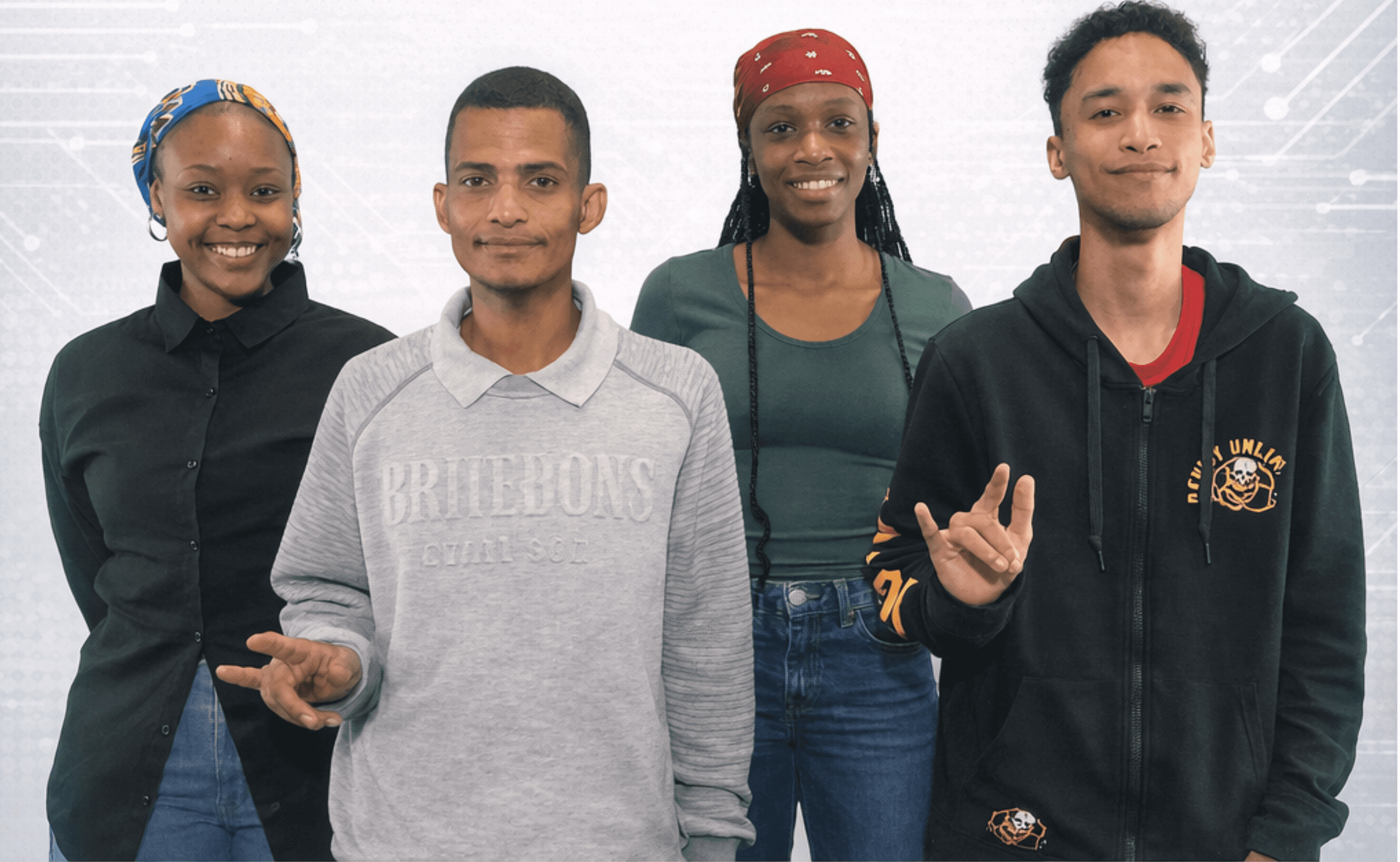
Most Deaf learners enter eDeaf's programmes having navigated significant barriers: limited access to quality education, communication challenges in mainstream environments, and little workplace exposure. The journey eDeaf takes them on unfolds in stages.
Through South African Sign Language support and inclusive teaching, learners engage with education in a way that finally makes sense to them, often for the first time. Then come skills and identity: as learners build practical digital and workplace capabilities, they begin to see their Deafness not as a limitation but as part of who they are. Next, real-world exposure through learnerships and employer partnerships shifts mindsets on both sides.
Learners discover their own capabilities, while employers witness the focus and problem-solving that Deaf employees bring. The final stage is sustainable employment and leadership, with many alumni advancing within organisations and mentoring the next generation.
“When a Deaf learner realises the barriers they faced were never about ability, but about access and opportunity, everything changes.” – Nadia Mehter – Training & Quality Manager – eDeaf
Technology as an Equaliser
For Deaf learners, technology is both a career pathway and a communication bridge. eDeaf integrates digital literacy, IT support, and workplace software training into all its programmes, grounded in real scenarios rather than theory. Many graduates show strong aptitude in data handling, digital administration, and IT support, where visual problem-solving is a key strength. For a technology company like Britehouse, this alignment isn't incidental.
“Our partnership with eDeaf reflects our belief that the most capable and committed talent is often the most overlooked. By investing in accessible pathways, we’re not just doing what’s right; we’re building the kind of diverse, resilient workforce that will define South Africa’s digital future.”
— Gerard Sofianos, CEO, Britehouse
What Meaningful Partnership Looks Like
Britehouse entered this relationship as a bursary sponsor, though the most impactful partnerships, eDeaf told us, is to walk the full pathway with the learner: from training through to employment and career growth. That vision resonates with us. Businesses that stay engaged, offering internships, mentorship, and genuine employment pathways, discover that relatively simple adjustments (inclusive communication practices, basic sign language awareness) can unlock access to a talent pool that has long been overlooked.
With approximately 1.5 million Deaf and hard-of-hearing South Africans, the opportunity is significant. Many employers want to be inclusive but don't know where to start. The barriers facing Deaf professionals are largely about access and understanding, not ability.
“What we ask of South African businesses is not perfection, but willingness, to learn, to create opportunity, and to open doors that have traditionally been closed.” Nadia Mehter – Training & Quality Manager – eDeaf
At Britehouse, we're proud to be part of opening that door. The most innovative, resilient teams are built on inclusion, and South Africa's economic future depends on unlocking every source of talent we have. The talent has always been there; it has simply been waiting for the opportunity to shine.
Get in touch:

Add Your Comment